
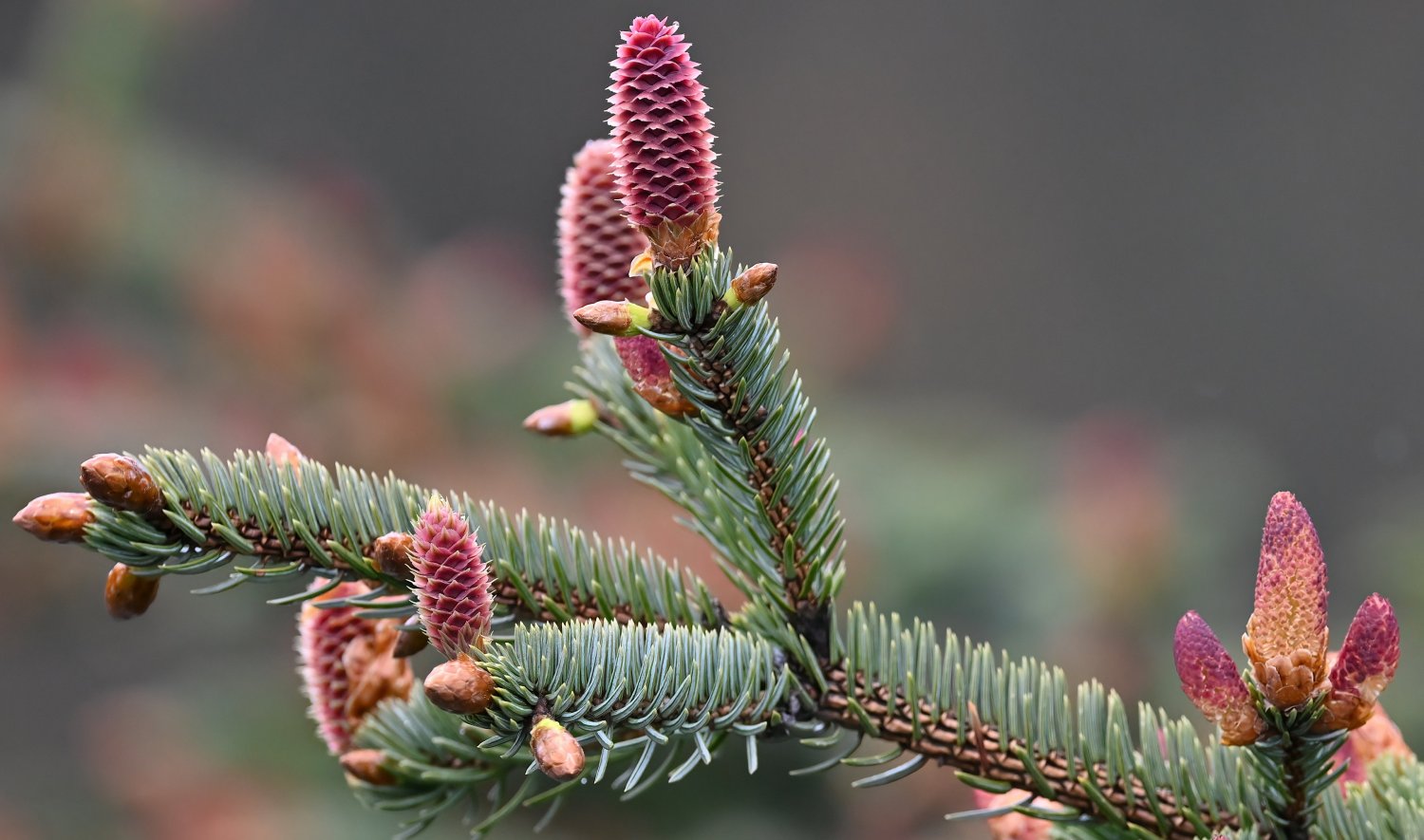
Sitka spruce trees are a defining feature of Oregon’s coastal landscape, but in recent years, they’ve come under increasing threat from a growing pest problem. A tiny insect known as the spruce aphid has quietly been causing widespread damage along the North Coast. Many homeowners don’t notice the problem until their trees begin to thin or lose color. By then, the damage is often well underway.
At Arbor Care Tree Specialists, we’re seeing more cases of spruce aphid infestation each year. Fortunately, with the right treatment and timing, your spruce trees can be protected before serious harm occurs.
What Are Spruce Aphids: The Silent Threat to Sitka Spruce Trees
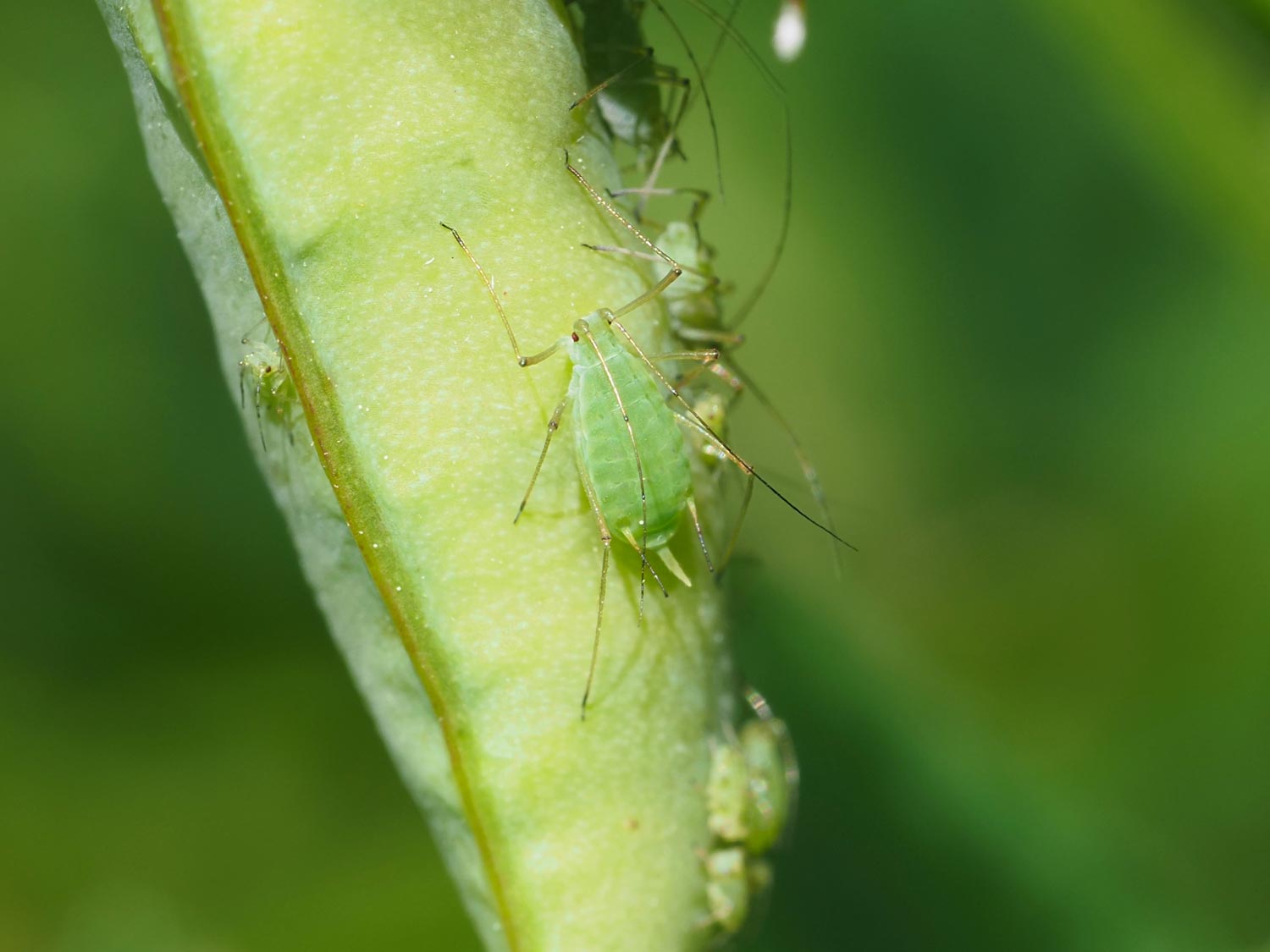
Spruce aphids (Elatobium abietinum) are small, soft-bodied insects that feed on the needles of spruce trees, and especially Sitka spruce. Unlike many other tree pests, they’re active during cool weather, feeding most aggressively in late winter and early spring.
When they feed, aphids pierce the needle surface and extract sap, disrupting the tree’s ability to produce energy through photosynthesis. Over time, this causes the needles to yellow, brown, and fall off prematurely.
The result? A weakened tree with a thin canopy that struggles to take in water and nutrients.
Learn more from the Oregon Department of Forestry.
Signs of a Spruce Aphid Infestation
Because spruce aphids are active in cooler months, many homeowners don’t spot them until visible symptoms appear. If you’re wondering whether spruce aphids are active in your trees, here are the key signs to watch for:
- Yellowing or browning needles that drop early
- Thinning foliage, especially in the lower branches
- Clusters of small, greenish insects on the underside of needles
- Sticky residue (honeydew) or dark sooty mold on the branches
If left untreated, affected trees may experience long-term decline or die within a few seasons. This can be especially worse when combined with hot, dry summers.
Why Spruce Aphids Are Increasing Along the Oregon Coast
Mild winters and dry summers have created ideal conditions for spruce aphids to thrive. Normally, cold winter temperatures help control aphid populations, but recent climate patterns have allowed them to survive and reproduce year-round.
As a result, infestations are spreading farther north and lasting longer than in past decades. Trees weakened by drought or compacted soil are especially vulnerable.
Professional Treatment for Spruce Aphids
The most effective way to stop spruce aphids is through systemic root injection. This method delivers a targeted insecticide into the soil near the tree’s roots, where it’s absorbed and circulated throughout the tree’s vascular system.
Arbor Care Tree Specialists performs these injections in the fall, when trees are still actively taking up nutrients. This timing ensures the treatment will be in place before aphids become active again in late winter or early spring.
Our treatment process:
- Insecticide is injected directly into the root zone (no broadcast spraying)
- Protects both large and small trees
- Keeps pollinators safe (applied only when bees are inactive)
- Provides season-long internal protection
Learn more about our PHC services.
Prevention Is Better Than Reaction
By the time visible damage appears, a tree’s health has already been compromised. Preventive care is far more effective—and far less costly—than emergency treatment after infestation.
Arbor Care Tree Specialists recommends fall injections for all healthy spruce trees in coastal areas, even if aphids aren’t yet visible. Once treated, the tree’s vascular system will resist aphid feeding during the next active season.
Our ISA Certified Arborists also provide ongoing plant health monitoring, ensuring your trees receive timely attention for other common coastal problems like fungal disease, root stress, or nutrient deficiencies.
Comprehensive Plant Health Care (PHC)
Spruce aphid treatment is just one part of Arbor Care Tree Specialists’ Plant Health Care program, which focuses on the overall vitality of your trees.
Our PHC services include:
- Fungicide applications for fruit trees and needle diseases
- Treatments for pine needle cast and western pine gall
- In-ground fertilization to promote healthy root growth
- Soil analysis and tree diagnosis by certified experts
Learn more about PHC programs.
Protect Your Spruce Trees This Fall
If your spruce trees show signs of aphid damage—or if you want to prevent it before it starts—now is the time to act. Once defoliation occurs, recovery can take years, and some trees never regain their former vigor.
Arbor Care Tree Specialists offers fall treatment scheduling for properties throughout the Oregon Coast. Protect your spruce trees before the next outbreak hits.