

They crack sidewalks. They invade pipes. They buckle driveways. At least, that’s what the rumors say. Tree roots often get a bad rap, but how much of it is earned? The truth is simply more nuanced than that. Roots are essential to tree health and rarely cause problems unless something is already off balance. Still, when problems do arise, they can be serious.
So, are tree roots an underground menace or just misunderstood? Let’s dig into it.
What Are Tree Roots Really Doing Down There?
Before you blame your backyard oak for wrecking your walkway, it helps to understand how roots actually grow and behave. Tree roots:
- Extend horizontally more than vertically
- Typically stay in the top 12–18 inches of soil
- Seek out moisture, oxygen, and nutrients (not destruction)
They aren’t hunting down your plumbing like some subterranean villain. But they certainly can enter weak or cracked pipes while on their vital search for water. Likewise, they’re not trying to break your foundation, but poorly placed trees or improper construction can, nevertheless, lead to issues over time.
Signs of Root-Related Trouble
While most roots are doing their job quietly underground, there are times when they need attention. Watch for these signs:
Cracks in Concrete or Pavement
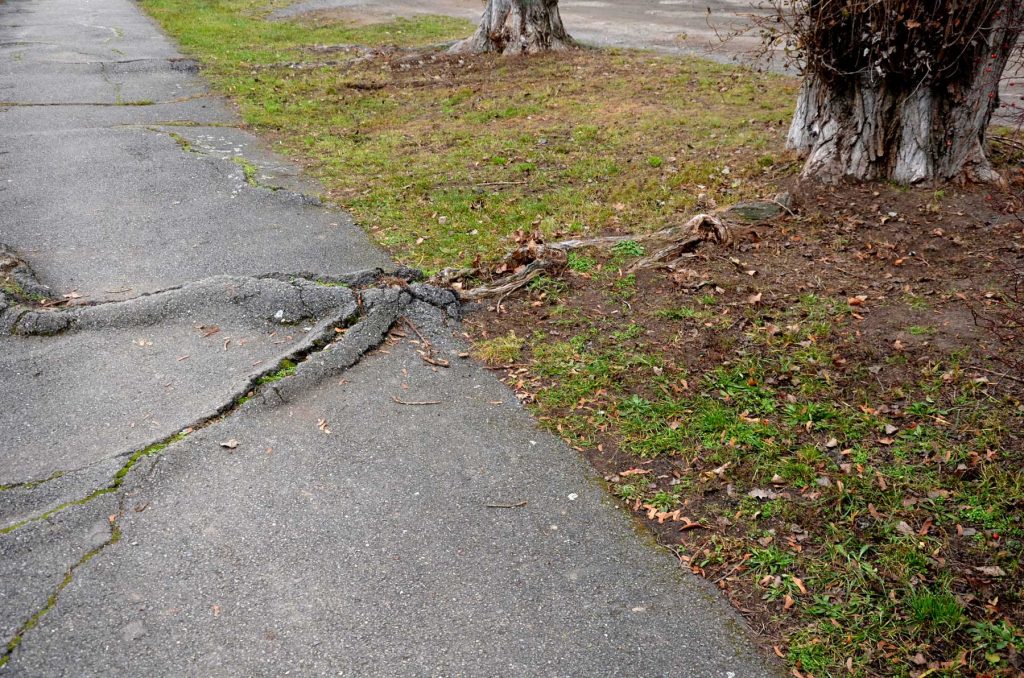
Uplifted or broken walkways, driveways, and patios can result from large surface roots. Roots grow with slow force over time, and hardscaping that’s too close to a mature tree may pay the price.
Tree Leaning or Unstable
If a tree is tilting, especially after a storm, it may have root damage or poor anchoring due to soil issues. This is a serious hazard that calls for a professional evaluation.
Can Roots Damage Foundations?
It’s one of the most common concerns, but in reality, direct foundation damage from roots is rare. Trees are opportunists, not demolition crews. Roots don’t have the power to break through solid concrete. However, they can worsen pre-existing cracks, or dry out soil under certain conditions, which might affect slab stability.
That’s why planting the right tree in the right place is key. Mature size, root structure, and soil conditions should all be taken into account before planting near structures.
How to Prevent Root-Related Problems
Choose Species Wisely
Some trees are better suited for small yards or urban spaces. Avoid fast-growing species with aggressive root systems near buildings or infrastructure.
Mind the Distance
Plant trees far enough away from driveways, sidewalks, and foundations. A good rule of thumb is to plant at least as many feet away as the tree’s mature height.
Monitor and Maintain
Even established trees can benefit from occasional checkups. If you notice changes in growth, leaf color, or soil conditions, it’s time to call the experts.
When to Call the Pros
Trying to cut roots yourself, or “fix” a root problem with DIY trenching or concrete, often leads to worse outcomes, for your tree and your property. A misstep can destabilize a healthy tree or invite disease.
Instead, let the certified professionals at Arbor Care Tree Specialists assess the situation. We can help you determine whether the roots are truly causing issues, and offer solutions that balance the health of your trees with the safety and structure of your home.
We’re here to find the right solution, whether that means root pruning, soil correction, or simply monitoring over time.
Roots Aren’t the Enemy—Neglect Is
Tree roots aren’t villains, but they do need to be respected. With proper planning, routine care, and informed decisions, they can coexist beautifully with your landscape and your home.
Not sure what your tree roots are up to? That’s what we’re here for.
Reach out to Arbor Care Tree Specialists for an on-site consultation today.