

Trees are an essential part of your landscape, offering shade, beauty, and environmental benefits. But sometimes, keeping a tree does more harm than good. Whether due to age, disease, or structural risk, knowing when it’s the right time to remove a tree can help you avoid costly property damage (or worse).
At Arbor Care Tree Specialists, we want homeowners on the North Oregon Coast and SW Washington Coast to be informed and proactive. Here are the top 5 signs it may be time to say goodbye to a tree on your property.
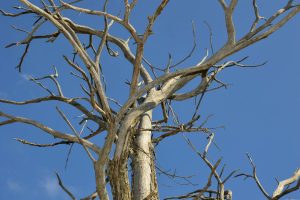
1. The Tree Is Clearly Dead or Dying
This may sound obvious, but dead or declining trees can often look deceptively “stable.” Common signs include:
- No leaf growth during the growing season
- Large sections of dead branches or brittle limbs
- Bark falling off in chunks
- Mushrooms growing at the base (a possible sign of root rot)
A dead tree is more than an eyesore; it’s a safety hazard. High winds and coastal storms can easily bring it down, putting nearby structures and people at risk.
For more guidance, the Arbor Day Foundation offers a helpful article on knowing when it’s time to remove your tree.

2. Structural Damage or Leaning
If your tree has developed a sudden lean or cracks in the trunk, that’s a red flag. Structural issues may stem from:
-
Storm damage
-
Root destabilization
-
Weak branch unions
-
Hollow or rotting sections in the trunk
Cracks, splits, and hollow areas reduce a tree’s ability to support its own weight, making it prone to unexpected failure. A leaning tree may also indicate root system failure, which often calls for immediate removal.

3. The Roots Are Damaging Infrastructure
Trees are living things with extensive underground systems. If roots are impacting your:
- Foundation
- Sidewalk or driveway
- Septic or sewer lines
- Irrigation systems
…then it may be time to consult an expert. Some root systems can be pruned or redirected, but in many cases, the only long-term solution is tree removal.
This is especially common with trees that were planted too close to structures. This should serve as a reminder that even well-meaning landscape choices can have lasting consequences.

4. Storm Damage Has Compromised the Tree
On the North Coast, wind, ice, and heavy rain can all wreak havoc on trees. A tree that’s suffered major damage from a storm might not recover, and keeping it around could invite disaster.
Some signs storm damage may warrant removal include:
-
Large broken limbs
-
Severe trunk damage
-
Uprooted or partially uplifted root systems
-
A crown that is now severely lopsided or unbalanced
Arbor Care also provides Storm Damage Tree Services if you’re unsure whether to remove or try to save a tree after weather events.
5. It’s in the Wrong Place, or the Wrong Tree for the Space
Sometimes, a tree is simply the wrong species for the location. Whether it’s growing too close to your home, blocking sunlight from solar panels, or constantly dropping debris in problematic areas, removal might be your best bet.
Other reasons a “problem tree” might need to be removed include:
- Interfering with overhead utility lines
- Invasive root growth
- Rapid growth rate making it unmanageable long-term
If the tree was poorly placed from the beginning—or has outgrown its space—it’s better to act before it causes further issues.
Not Sure When is The Right Time to Remove a Tree? Ask an Expert.
When you’re emotionally attached to a tree, it’s hard to know whether it really has to come down. That’s where our experienced team comes in. We offer Tree Consulting Services to assess your trees and recommend the safest, most responsible next steps.
If removal is necessary, we’ll walk you through the process and offer related services like:
- Stump Grinding
- Tree Pruning
- Plant Health Care for surrounding trees
Protect Your Home and Landscape
Tree removal is never a decision to take lightly, but waiting too long can increase your risks dramatically. If any of the signs above sound familiar, reach out to the trusted team at Arbor Care Tree Specialists. With ISA-certified experts and decades of experience in coastal tree care, we’re here to help you make the right call.
Ready for a Tree Assessment?
Contact us to request a consultation and speak with a local expert today.