
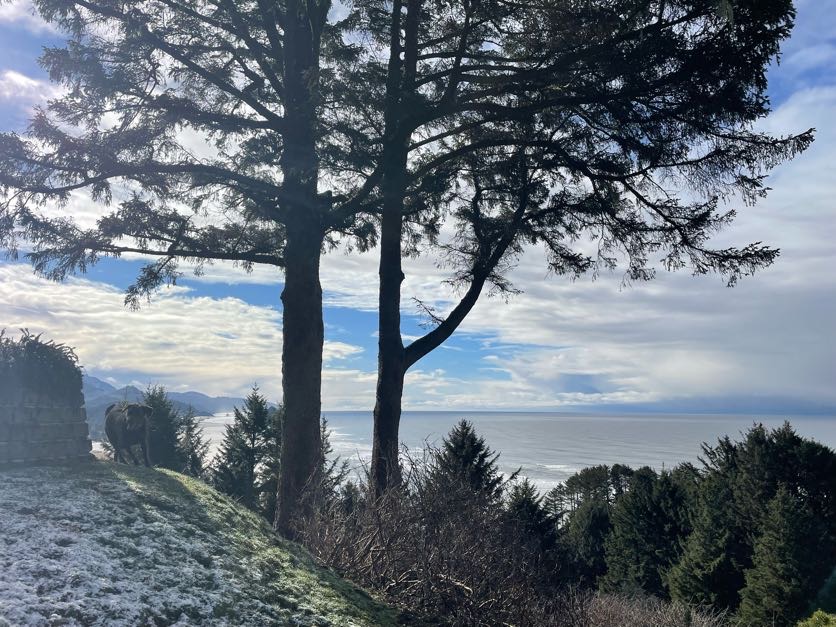
Tree removal is never something to treat casually, and tree removal near steep slopes adds another layer of risk. On the Oregon Coast, where heavy rain, saturated soils, wind exposure, and uneven terrain are common, one wrong cut or one poorly placed machine can create serious problems.
A tree growing near a slope may be helping stabilize surface soil. It may also be leaning because of root movement, erosion, decay, or past storm damage. Before removing it, the whole site needs to be considered, not just the trunk of the tree in question.
For coastal property owners, safe tree removal near steep slopes starts with a careful look at the tree, the grade, the soil, nearby structures, access points, and what could happen downhill.
Why Steep Slopes Make Tree Removal More Complicated
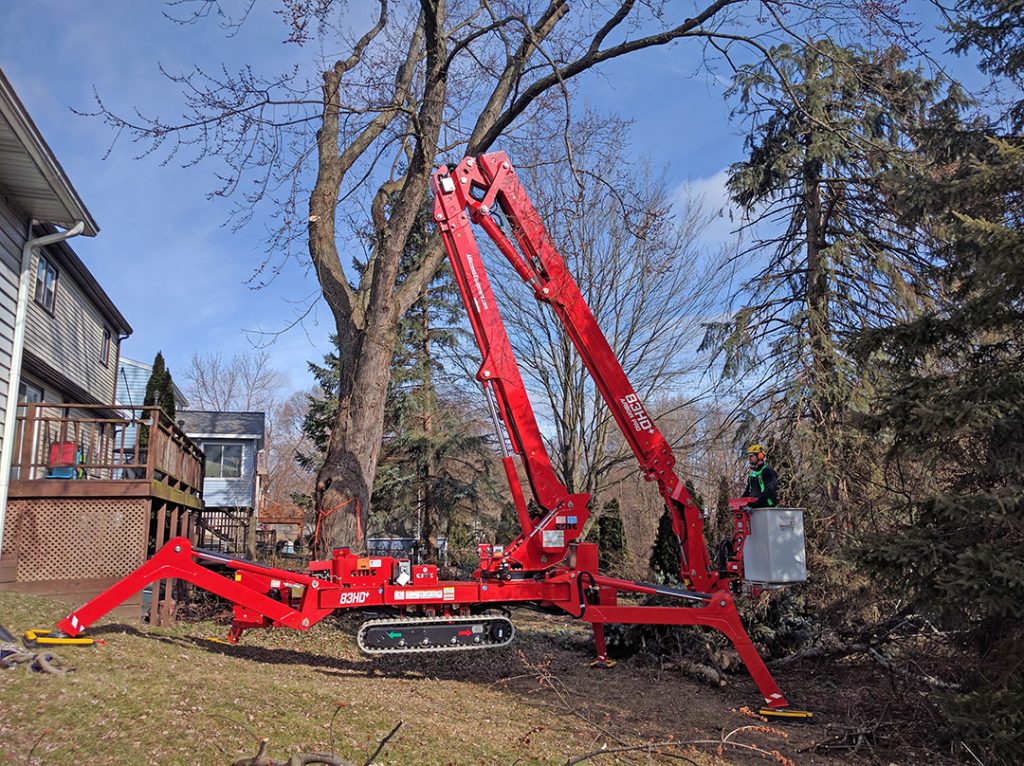
Removing a tree from flat, open ground is very different from removing a tree on or near a slope. Gravity becomes a larger part of the job. Cut limbs, logs, equipment, and debris can move downhill quickly if they aren’t properly controlled.
On coastal properties, steep-slope removals may involve:
Limited access for equipment
Narrow driveways, hillside homes, retaining walls, fences, and soft ground can limit where crews and equipment can safely work.
Unpredictable log and limb movement
Once sections of a tree are cut, they may roll, slide, bounce, or shift downhill. Controlled rigging is often needed to keep material from damaging property.
Difficult footing for crew members
Wet soil and loose duff, roots and rocks, and the uneven ground itself increase the risk of slips and falls.
Higher consequences if something goes wrong
On a slope, damage may not stop at the base of the tree. A falling limb or trunk section can travel toward homes, roads, utilities, or neighboring properties.
Coastal Oregon Slopes Have Their Own Tree Removal Challenges
Coastal Oregon properties often come with conditions that make slope work riskier. Seasonal rains can heavily saturate soil. Wind can stress trees and expose structural weaknesses. Erosion can undercut roots or change the way weight is distributed around the tree.
According to the Oregon Department of Geology and Mineral Industries, landslides are often triggered by prolonged rain that saturates soils, and changes in drainage can contribute to slope instability. That context is important for tree work near steep terrain. Tree removal is not just about cutting a tree down. It’s about avoiding unnecessary disturbance to an already sensitive site.
Learn more from the Oregon Department of Geology and Mineral Industries
Trees Can Help Stabilize Soil, but Can Also Become Hazards
Trees and vegetation can help hold surface soils in place, especially on slopes where roots reduce erosion near the surface. Some slope trees might be safe to keep forever. A tree can become hazardous, however, if it is: diseased, dead or dying, badly leaning, structurally compromised, or losing root stability.
Trees are good for slopes. Risky trees should be removed. Both things can be true at the same time.
A professional assessment can help answer questions like:
Is the tree helping stabilize the slope?
Some trees provide root structure and surface protection, especially when they are healthy and well positioned.
Is the tree showing signs of failure?
A new lean, cracked soil, exposed roots, trunk decay, or canopy dieback may suggest the tree is becoming unstable.
What happens after removal?
Removing a tree may leave a gap in vegetation, expose soil, or change how water moves across the slope. That needs to be considered before the work begins.
Signs a Slope Tree May Need Professional Evaluation
Property owners should be especially cautious when a tree near a slope begins to change. Some warning signs are obvious. Others are easy to overlook until storm season makes them worse.
Watch for:
A new or worsening lean
A tree that has recently started leaning, especially after heavy rain or wind, should be evaluated quickly.
Cracked or lifting soil near the roots
Soil movement around the root plate can be a serious warning sign.
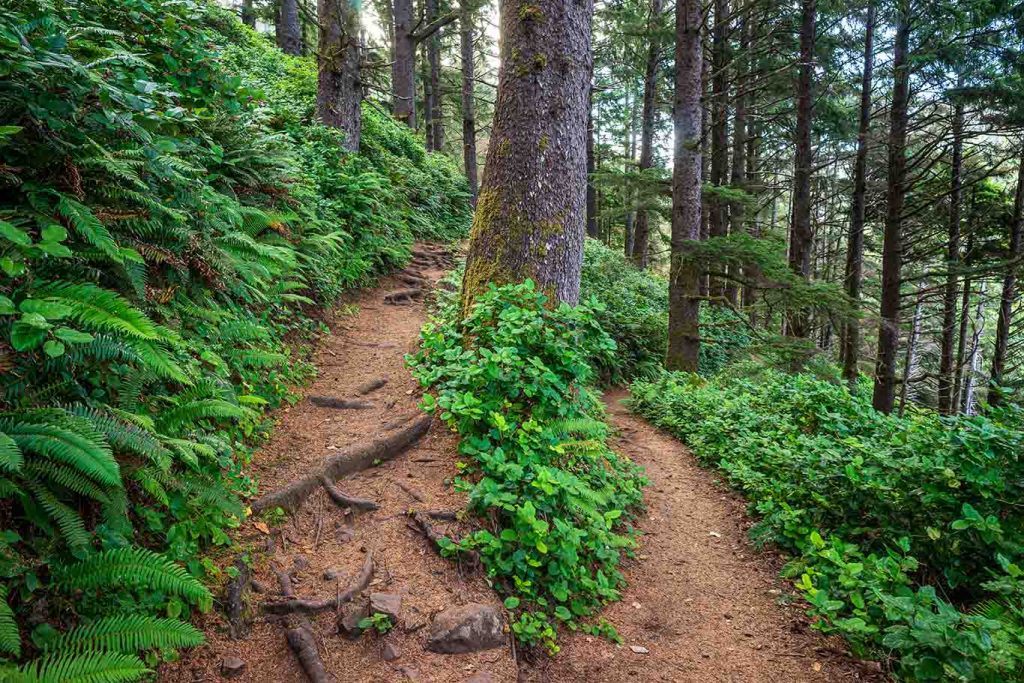
Exposed or undermined roots
Erosion around roots can reduce stability and leave the tree more vulnerable to failure.
Mushrooms, decay, or soft wood near the base
Decay on the lower trunk or root flare can affect the tree’s structural soundness.
Dead limbs or thinning canopy
Canopy decline may point to root stress, disease, or overall loss of vigor.
Drainage changes near the slope
New runoff patterns, clogged drains, or water flowing toward a slope can increase concern.
Learn more about Tree Consulting
Why DIY Tree Removal Is Especially Risky on Slopes
DIY tree removal is risky under normal conditions. On a slope, it becomes even less predictable. A homeowner may be able to cut a small tree safely on open ground, but steep terrain changes the entire equation.
The obvious danger is the tree falling the wrong way. The less obvious danger is what happens after pieces are cut. Logs can roll and branches can slide. A trunk can kick back. A root plate can shift, or wet ground can give way underfoot.
Even cleanup becomes more difficult. Carrying wood, dragging brush, or operating small equipment on a slope can create additional safety issues. More care has to be taken to avoid damage to the site.
How Professionals Approach Tree Removal Near Steep Slopes
A professional tree crew should approach slope work with planning, control, and site awareness. The goal is to remove the tree safely while protecting the surrounding property and terrain.
That may involve:
Assessing the slope before work begins
The crew needs to understand grade, access, soil conditions, targets, drainage, and escape routes.
Sectioning the tree in controlled pieces
Instead of felling the entire tree at once, sections may be lowered carefully to prevent rolling or impact damage.
Using rigging or specialized equipment
Rigging, lifts, or other equipment may be needed when the tree cannot be safely accessed from the ground.
Protecting nearby structures and landscape features
Homes, decks, driveways, utilities, retaining walls, and neighboring properties all need to be considered.
Managing debris carefully
Brush and wood should be removed in a way that doesn’t tear up the slope or send material downhill.

Should the Stump Stay or Be Removed?
Stump decisions are more complicated after tree removal near steep slopes. In some locations, grinding a stump may be appropriate. In others, disturbing the soil around the root system may not be the best immediate choice. The right answer depends on slope stability, erosion concerns, future landscaping plans, and access.
This is another reason to avoid one-size-fits-all recommendations. On a flat lawn, stump grinding may be straightforward. Near a slope, the crew needs to think about what the remaining roots are doing, how the ground is draining, and whether removal could create unnecessary soil disturbance.
Emergency Tree Removal Near Steep Slopes
Storms can make slope trees more dangerous quickly. Heavy rain can loosen soil. Wind can break limbs or push already-weakened trees farther out of position. If a tree has fallen, partially failed, or is leaning toward a structure, road, or utility area, it should be treated as urgent.
Call for emergency help if you notice:
A tree leaning suddenly after a storm
Sudden movement is different from a long-standing natural lean.
Roots lifting or soil cracking
These may be signs of root plate movement.
A tree hung up in another tree
A lodged or suspended tree can shift without warning.
Broken limbs over homes, driveways, or walkways
Slope conditions can make overhead hazards harder to control.
Learn more about Emergency Service
Schedule a Tree Assessment Before Storm Season
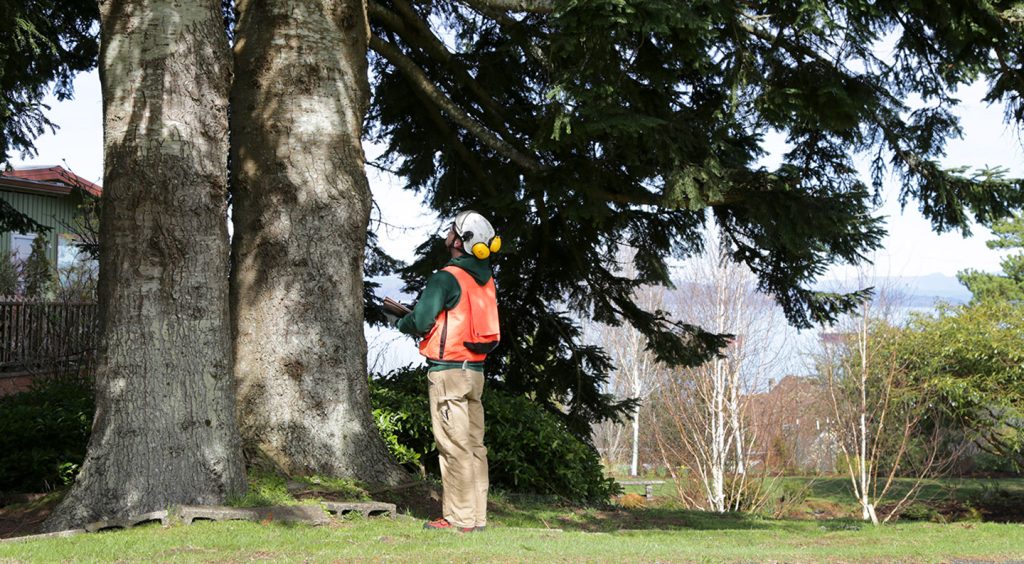
The best time to deal with a risky slope tree is before it becomes an emergency. If you own a coastal Oregon property with trees near steep ground, bluffs, driveways, roads, or structures, a professional assessment can help you understand what is safe, what needs monitoring, and what needs to be removed.
Arbor Care Tree Specialists provides professional tree removal, tree consulting, and emergency tree service for properties throughout Astoria and the North Oregon Coast. Our ISA Certified Arborists can evaluate the tree, the site, and the surrounding risks before recommending the safest path.