

What Is Plant Health Care?
Most people think about tree care when something has already gone wrong. A tree starts dropping limbs. Needles turn brown. Leaves thin out. Mushrooms appear around the base of the trunk. Suddenly, the question becomes urgent: can this tree be saved, or does it have to come down? Plant Health Care, often shortened to PHC, is built around a better question: what can be done before the tree reaches that point?
Plant Health Care is a proactive approach to tree care that focuses on the full living system, including roots, soil, nutrients, pests, disease pressure, moisture, and the surrounding landscape. Instead of waiting for visible decline, PHC looks for early signs of stress and uses targeted treatments to help trees stay stronger, healthier, and more resilient over time.
For property owners in Astoria and along the Oregon Coast, that matters. Trees here face wet winters, saturated soils, coastal winds, periodic summer drought stress, insect pressure, and disease issues that can build quietly before symptoms become obvious.
Plant Health Care Is Preventive, Not Just Reactive
Traditional tree service is often reactive. A limb breaks, a tree leans, or a dead tree needs removal. That work is important, but it usually happens after a problem is already visible.
Plant Health Care is different. PHC focuses on prevention, early detection, and long-term support. The goal of this approach is to help trees function better before they are in serious decline.
A PHC plan may include:
Monitoring tree health over time
Many tree problems develop gradually. Regular observation can catch thinning, discoloration, pest activity, poor growth, or root-zone problems early.
Improving soil and root conditions
Healthy trees start below ground. Compacted soil, buried root crowns, poor drainage, and low organic matter can all limit a tree’s ability to take up water and nutrients.
Supporting nutrition when needed
Fertilization may help when soil conditions or nutrient availability are limiting healthy growth. The best results come from matching treatment to the tree’s actual needs.
Managing pests and diseases
Targeted treatments can help protect vulnerable trees from insects, fungal issues, bacterial problems, and other threats when treatment is appropriate.
The International Society of Arboriculture explains that Plant Health Care programs involve monitoring, preventive treatment, and a strong working relationship between the arborist and property owner.
Learn more from the International Society of Arboriculture
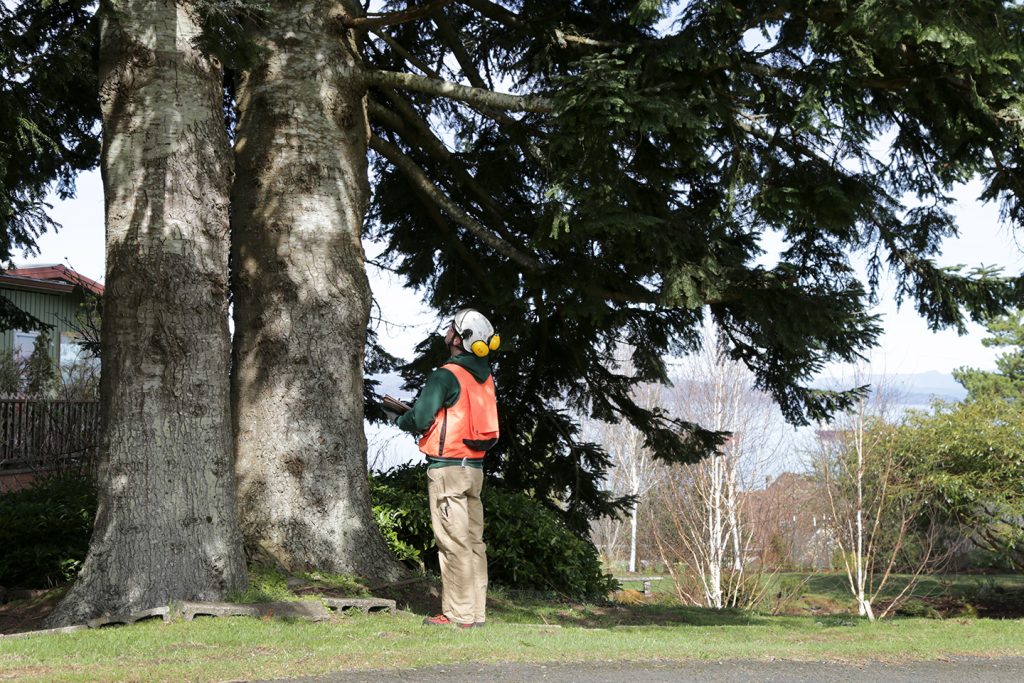
Why Plant Health Care Matters on the Oregon Coast
Trees on the North Oregon Coast grow in beautiful but demanding conditions. The climate supports lush growth, but it can also create stress. Heavy winter moisture, wind exposure, compacted residential soils, and summer dry periods can all affect tree health.
In many landscapes, the soil around a tree no longer works like a natural forest floor. Leaves and needles are often removed. Grass competes with roots. Soil becomes compacted by foot traffic, equipment, driveways, or construction. Mulch may be missing, too deep, or piled against the trunk.
A tree may look fine for years while these stressors build. Then a pest outbreak, drought season, root disease, or storm finally reveals the problem.
PHC helps property owners address those hidden stressors before they become expensive emergencies.
What Services Are Part of Plant Health Care?
Plant Health Care is not one single treatment. It is a category of care that can include several services depending on the tree, site, and concern.
At Arbor Care Tree Specialists, PHC may include soil care, root-zone work, fertilization, pest management, disease-related treatments, and species-specific support.
Tree Fertilization
Tree fertilization can restore missing nutrients and support stronger growth when the soil is depleted or nutrient availability is limited. It should not be treated as a cure-all, but when used correctly, fertilization can help trees recover from stress and build resilience.
Learn more about Tree Fertilization
Fungus Application
Mycorrhizae fungus applications support beneficial relationships in the root zone. These fungi can help improve water and nutrient uptake, especially when soil conditions are not ideal.
Learn more About Fungus Applications
Soil Drench Pesticide Application
Some pest problems can be managed through targeted soil drench applications. Instead of broad spraying, soil drenches are applied around the root zone, where the tree can absorb the treatment systemically.
Learn more About Soil Drench Pesticide Application
Mulching
Proper mulching helps protect roots, conserve soil moisture, regulate soil temperature, and rebuild a healthier soil environment. The key word is “proper.” Mulch piled against the trunk can create more problems than it solves.
Spruce Aphid Treatments
Sitka spruce trees are a major part of the Oregon Coast landscape, and spruce aphids can cause serious needle loss and decline. Preventive treatment can help protect valuable spruce trees before damage becomes severe.
Learn more About Spruce Aphid Treatments
Plant Health Care Is Not Just Tree Medicine
It is tempting to think of PHC as medicine for sick trees, but that is only part of the picture. A better comparison is preventive health care.
A good PHC plan asks questions like:
- Is the tree getting enough water during dry periods?
- Is the soil compacted?
- Are pests or diseases present?
- Is the tree under stress from construction, grading, or poor drainage?
- Would pruning improve structure or airflow?
- Is treatment likely to help, or is the tree too compromised?
PHC should be honest. Not every tree can be saved, and not every tree should be treated indefinitely. Sometimes the safest, most responsible recommendation is removal. However, when a tree is a good candidate for care, PHC can help protect a valuable part of your property.

Signs Your Tree May Benefit From Plant Health Care
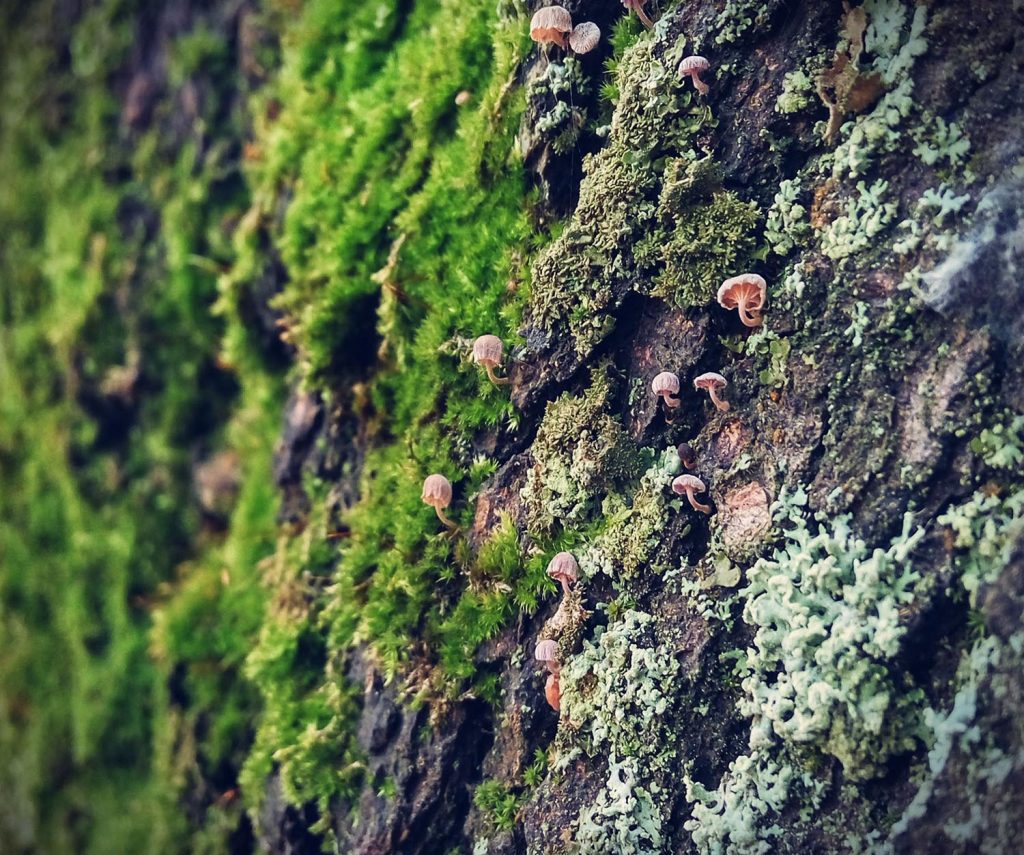
A tree does not have to be dead or dangerous before you call an arborist. In fact, PHC is most useful when concerns are caught early.
You may want a Plant Health Care evaluation if you notice:
- thinning leaves or needles
- yellowing, browning, or early leaf drop
- reduced yearly growth
- dead branches or tip dieback
- mushrooms or fungal growth near the base
- signs of insects on leaves, needles, bark, or branches
- compacted soil around the tree
- mulch or soil piled against the trunk
- decline after construction, trenching, paving, or grading
- spruce needle loss or thinning crowns
These symptoms can point to various causes. A thinning canopy could be related to insects, root stress, disease, drought, soil conditions, or several issues at once. That is why diagnosis comes before treatment.
PHC Works Best With Tree Consulting and Monitoring
Plant Health Care and tree consulting go hand in hand. A treatment plan is only as good as the assessment behind it.
Professional evaluation can help identify what is actually happening and what level of care makes sense. For some trees, the answer may be fertilization or mulching. For others, it may be pest treatment, pruning, monitoring, or a risk assessment. If the tree is structurally compromised, removal may need to be considered.
Learn more About Tree Consulting
Is Plant Health Care Worth It?
For valuable, mature, or highly visible trees, PHC can be a smart investment. Removal is often expensive, disruptive, and emotionally difficult, especially when the tree provides shade, screening, habitat, or character to the property.
Plant Health Care can help:
- extend the life of important trees
- reduce preventable stress
- improve root and soil conditions
- manage pests and disease pressure
- support recovery after environmental stress
- reduce the odds of avoidable decline
- give property owners clearer decisions about treatment or removal
The key is using PHC responsibly. More treatment is not always better. The right treatment, at the right time, for the right reason is what matters.

Schedule a Plant Health Care Consultation
Healthy trees, especially in managed landscapes, need the right soil conditions, enough root space, proper nutrition, protection from pests, and care that responds to the tree’s actual condition.
If your trees are thinning, stressed, declining, or simply important enough to protect, Arbor Care Tree Specialists can help. Our team can evaluate your trees, identify likely stressors, and recommend a Plant Health Care plan built around long-term health, not guesswork.