

Moss, fungus, and lichen are common sights on trees along the Oregon Coast. In places where moisture, shade, and mild temperatures are part of the landscape, it’s not unusual to see green, gray, white, or fuzzy growth on trunks and branches.
The big question is whether or not this is a problem.
The answer depends on what you are actually seeing. Some growths, such as many mosses and lichens, are often harmless on their own. Others may point to decay, root disease, or tree stress. The key is knowing the difference between cosmetic growth and a real tree health concern.
Moss, Fungus, and Lichen Are Not the Same Things
You may hear someone use the words moss, fungus, and lichen interchangeably, but they are different organisms.
- Moss – Moss is a small, green plant-like organism that grows where moisture and shade are available. It commonly appears on bark, roofs, rocks, lawns, and shaded surfaces. On trees, moss usually grows on the outside of the bark and does not feed on the tree itself.
- Lichen – Lichen is often mistaken for fungus or moss. It can look crusty, leafy, powdery, gray, green, yellow, or white. Lichens are actually a partnership between a fungus and an alga or cyanobacterium. They make their own food and use the tree bark mainly as a place to grow.
- Fungus – Fungus is a broader category. Some fungi are harmless surface organisms, while others are involved in decay, root disease, or structural decline. Mushrooms or conks growing from the trunk, root flare, or major limbs deserve more attention than surface moss or lichen.
Why Moss and Lichen Grow on Trees
Moss and lichen thrive in moist, shaded environments. That makes the North Oregon Coastal region a natural place to find them. Trees in shaded yards, dense landscapes, or areas with limited airflow may develop more visible growth than trees in open, sunny locations.
Common reasons moss or lichen may appear include:
- Frequent moisture
- Shaded bark
- Poor airflow around the canopy
- Slow tree growth
- Older bark with more texture
- Dense surrounding vegetation
In many cases, moss and lichen are not attacking the tree. They are simply taking advantage of conditions that also happen to exist on the bark.
Does Moss Hurt Trees?
Most of the time, moss growing on bark does not directly harm a healthy tree. It doesn’t usually penetrate the bark or steal nutrients from the tree. However, heavy moss growth may indicate the tree is growing in conditions that deserve attention, such as excess shade, poor airflow, or chronic moisture.
In some cases, heavy moss can also hold moisture against bark and limbs. That may not mean the tree is in danger, but it can make it harder to inspect the bark and branch structure underneath.
If moss appears along with thinning foliage, branch dieback, cracking bark, or mushrooms near the base, it is worth scheduling a professional assessment.
Does Lichen Mean a Tree Is Dying?
Not necessarily. Lichens often grow on perfectly healthy trees, especially in moist regions. They are commonly seen on older trees or slower-growing branches because the bark surface remains stable long enough for lichens to establish.
With that being said, there is a reason lichen sometimes appears more noticeable on declining trees. When a tree’s canopy thins, more light reaches the trunk and branches. When growth slows, bark is less frequently shed or expanded. Those conditions can make lichens more visible.
So lichen is usually not the cause of decline, but it may be easier to see when a tree is already stressed.
When Fungus on a Tree Is Concerning
Fungus deserves a closer look, especially when it appears as mushrooms, shelves, conks, or soft decay around the trunk or roots. Certain fungal growths may be signs of internal decay or root disease.
Warning signs may include:
- Mushrooms growing at the base of the tree
- Shelf-like fungal conks on the trunk
- Soft, crumbly, or hollow-sounding wood
- Peeling bark with decay beneath it
- Thinning canopy or branch dieback
- Sudden lean or instability
These symptoms mean the tree should be evaluated. Fungal decay can affect structural strength long before a tree fails.
Why Coastal Trees Are Prone to Moss and Fungal Growth
The North Coast creates ideal conditions for surface growths and some disease pressure. Frequent rain, mild temperatures, salt-influenced air, and shaded forested neighborhoods all contribute to moisture staying on bark and soil longer.
That doesn’t mean every tree with moss is sick. It just means local conditions make careful observation more important. A tree growing in compacted soil, poor drainage, or heavy shade may be more vulnerable to decline. In those cases, the visible moss or fungus may only be one clue in a larger tree health picture.
Should You Remove Moss or Lichen From a Tree?
In most cases, removal is not necessary. Scraping, power washing, or harsh chemical treatments can damage bark and create more problems than they solve. If moss is heavy enough to concern you, it is usually better to consider why it is growing there rather than simply trying to remove it.
Better long-term solutions may include:
- Selective pruning to improve airflow
- Reducing overcrowded vegetation
- Improving soil and root conditions
- Monitoring for decay or disease symptoms
- Scheduling a professional tree health assessment
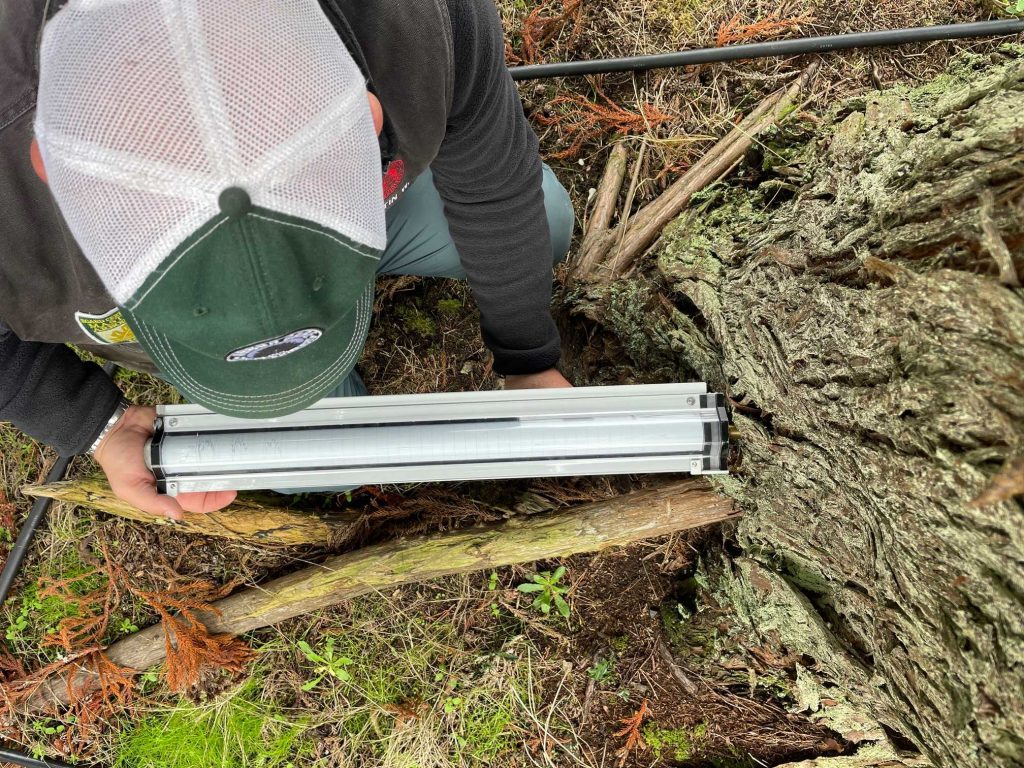
When to Call Arbor Care Tree Specialists
You do not need to panic every time you see moss, lichen, or fungus on a tree. But you should call a professional if the growth appears along with signs of decline, decay, or structural concern.
Schedule an evaluation if you notice:
- Mushrooms or conks near the trunk or roots
- Dead branches or thinning canopy
- Bark cracking, peeling, or softening
- Sudden changes after storms
- Heavy moss hiding branch structure
- Leaning or movement in the root zone
Arbor Care Tree Specialists can help determine whether the growth is harmless, a symptom of stress, or a sign of a more serious issue. From pruning and plant health care to consulting and removal when needed, our team can help you make the right call for your trees.